Showing posts with label Protagonist. Show all posts

Monday, December 5, 2016

From Sister to Murderer and Other Tales of Love (Adapting Kafka's Metamorphosis)

Today, let us discuss The Metamorphosis.

Mine!
He looks like he's excited.

So this ties in to my work on adaptations.

To give a brief idea:
I think adaptations are usually terrible.
I have an old article kicking around somewhere:

Adapting Dracula (Why Epistolary is a Four Letter Word) (Boucher 2015).

In it, I outline a lot of my concerns when it comes to adaptations.
Namely:

  • The story works in whatever medium it originates (unless you are in a living medium like theatre, in which case you might be screwed)
  • The story may work (better) in another medium
  • Changes to the story are necessary to make it work in the new medium (books to film)
  • "faithful adaptation" is a meaningless phrase
I had a wonderful discussion with Bailey Boudreau, Artistic Director of Slipstream Theatre Initiative about adaptations the other day. 
It boiled down to figuring out what made the theatre, at the time, immediate/important, what was the author attempting to do at the time of writing and attempt to do that in the time in which we currently live. 

Now, I believe this has some thorny problems:
  1. You cannot argue objectively about history and therefore anything that occurred surrounding a theatrical piece has to be considered correlative, not causative
  2. And it is almost impossible to determine  what the author intended
  3. Therefore, any and all choices are still based in our own personal artistry. 
I wrote an article consumed with the problem of author's intent:


It boils down to: 
  • The author intended something while writing
  • The art stands separate from the author (if it is good)
  • The art cannot stand separate from the audience's interpretation
  • Therefore, what is our interpretation?

At the time I was working on Turn of the Screw by Henry James, which, unfortunately, never materialized.
Maybe a work for a later time.

But, I was later approached by Slipstream Theatre Initiative to help assist to direct, write, and produce their Penny Dreadfuls.
We had some brainstorming meetings and I threw in my hat hoping to direct and ended up writing for it instead.
I had no idea what I was doing, but was excited for the project.

The Penny Dreadfuls

In years past, the Penny Dreadfuls had been adapted from older sources (like much of Slipstream's season). 

Last year they had a carnivale feel where the production company (in the scenario) was performing in order to lure everyone into the back room so they could unleash a monster upon them. Much like Pippin!

Source
This year, the talk was more of madness, transformation, and subtler things. 

Immediately Metamorphosis jumped out at me, but I couldn't say why. 

It was always something that I wanted to work on, so I suggested it. 

Luna, the lovely director said that she was excited and off we were to the races. 

The Process

I feel I should be pretty explicit here: 

I had no idea what I was doing. 

I felt really awful for everyone around me. Much of my life I feel like I am bouncing off of walls people already told me were there. So there is that.

Anywho, a few weeks out from opening, I had neither solidified a script, nor cast, nor rehearsal, nor tech, nor anything. I was pretty boned. So I settled down to read the text. 

The reading.

Anyone read Franz Kafka's Metamorphosis? 

If no, here is a really great Blog featuring synopsis and one of the best comic summaries EVER: 


In it, Gregor awakes one morning to discover himself transformed into a giant vermin. That's pretty much it. He wakes up and he is relatively okay with it.  His family kills him.

A lot of metaphors happen here about isolation, depression, anxiety, and dehumanization, but really that is it. He feels like a bug or some sort of monster and everyone treats him like one. His family still feeds him sure, but they are no longer sure it is him. 

Eventually, through neglect and downright abuse, Gregor lies down one day and dies, leaving his family a little bit wealthier and a little bit happier. 

The Realization

That is it! I really did not feel comfortable with it. 

To be honest, I get really uneasy every time that I read the text. 
I couldn't say why when I was in high school, but something profoundly disturbs me about the family's response to Gregor. He seems like such a nice bug. He loves and cares for his family. Why can they not recognize him? Why can they not see him for the the caring creature that he is? 

And that is when it hit me: 
The story is not Gregor's...
The moment that I hit that realization I knew I had something.

Tadashi Suzuki writes beautifully in his The Way of Acting and other collected texts that in order to do justice to a production he tries to:
Tell the story from the most compelling perspective
OR: to put it another way:
Ask the question, "From whose perspective should this story be told?"  
He did this very famously in his Women of Troy, a play about the women mourning the sacking of Troy and the horror that they endure after its fall. 
Now, remember the Trojan War lasted for ten years...
For ten years these women had already witnessed war literally at their gates.
Now, it was inside, running rampant and destroying their homes, their families....their babies.

Tadashi Suzuki, a masterful director, set the Trojan Women in the mouths of Japanese women in Japan...after the Holocaust. 

Source
Those women needed to tell this story in this way at this time. 
I was so moved when I read what he did. 
I cried. 
On a New York City subway, I cried while reading a theatre book.
I was the crazy person that day. 
(The photo isn't from his acclaimed work, but it gets the sensation and it was directed by him La Dame aux Camelias)

So that question has stuck with me for years now. 

  • "Whose story is it?"
  • "From whose perspective should this story be told?"
I had a clue from the final paragraph of the translation: 
All the time, Grete was becoming livelier. With all the worry they had been having of late her cheeks had become pale, but, while they were talking, Mr. and Mrs. Samsa were struck, almost simultaneously, with the thought of how their daughter was blossoming into a well built and beautiful young lady. They became quieter. Just from each other's glance and almost without knowing it they agreed that it would soon be time to find a good man for her. And, as if in confirmation of their new dreams and good intentions, as soon as they reached their destination Grete was the first to get up and stretch out her young body  (Kafka). 
*shivers*
The argument could be made that it is the parents' who are the aggressors in Gregor's torment and the objectification of Grete at the end.
I think the case could be made and I know I certainly made it in high school.
However, upon further reflection, the setup between the two siblings could not be clearer in Kafka's prose:
  1. Gregor: the lowly, virulent vermin, crawling across the floor, sticking to walls, hanging from the ceiling, feasting on refuse, collecting no income, sitting idle, or otherwise playing and becoming an unnecessary burden for the entire family
  2. Grete: the exact opposite, young, vibrant, musical, industrious, hard-working, jovial, and pleasant to see. 
So that was the basis of my thought. 
We have the one (did you know that the original title Die Verwandlung translates more literally to "transformation) transformation into beauty and the other into beast. 

However, what to do with it now that I had my cornerstone. 

The Concept

Considering the story from Grete's perspective opened up a whole new avenue of ideas.

Of course she told Kafka's Metamorphosis. She had spent the better part of a year, isolated in her own home, chained to caring for a beast that had almost certainly devoured her brother. 

No wonder she had insisted on calling it "Gregor". No wonder she wrote the whole story making "Gregor" as kind-hearted and well-meaning as humanly possible.
He is the closest thing we have to an existential saint. 

It's all a lie. 

Grete told a lie to save her brother's memory and very selfishly explain away the last year of her life. 

With those ideas in mind, I started crafting a piece that was in that vein. 

The Script

So the script was designed with Grete as the protagonist.
She would be the lens through which the audience would grasp the narrative. 
She needed an adversary, Gregor would do. 
Her parents proved too irresistible not to write into the narrative. 
But, where/when would I set the action? 

Dramatis Personae

GRETE: A youthful, vibrant young woman. She has been kept like a china doll by her mother, her father, and her brother. She is strong and curved like a violin.

GREGOR: He is dead. An enormous and virulent vermin. He begins transformed. There is no way to know what he was before.

FATHER: He is dead. A man lost and losing more of himself each and every day, but with a core of iron somewhere under his flabby exterior.

MOTHER: She is dead. There is not much to say of her. She loves her children. She is sad when they are gone.

The answer occurred to me after I wrote the character introductions: after the event. 
Gregor is already dead.
So are her parents.
Everyone is dead save Grete, but the story still carries on. 

It provided too many interesting things to play with. 
  • Who was telling the story? 
  • Only Grete? 
  • How? 
  • Who would play with her? 
  • How would she get them to play? 
All sorts of possibilities.
And we explored a few of them during rehearsal. 

The production was really remarkable, but I have no artifacts to present here. 
Only my words. 

However, I was fortunate enough to be able to present my rough draft as a workshop performance last week at Young Fenix Fellowship. 

I plan to host more, but the central question was: 
Does the play work as a standalone piece and should it be expanded? 
Overall, audience response was largely positive. I think there was some serious confusion based on the reading of the stage directions. I write lengthy stage directions that are meant to help more than they hinder. I don't think I always succeed.

Take a look:

Excerpt from After the Transformation by Miles Boucher

There are hundreds of newspapers. All carefully arranged. They are in piles, in stacks by date and time and organized by geography. There is a system to this. It is a very complex, but comprehensive system to the person who made it, but to no one else. 


The newspapers wait. 

Enter Grete

She leaves

Enter Grete

She leaves

Enter Grete

She feels it. That was it.

She paces out the room. She takes its measure. This takes time. 

It is an (un)satisfactory room (depending on the day).  She works with it. She places herself in the ideal spot. She places the audience in the ideal spot. This takes time. 

She lays herself down for bed. This takes time. Perhaps she starts with a newspaper. Perhaps she doesn’t. She makes for herself a pillow, a bed, a sheet, etc.

When everything is perfect she begins:

GRETE: One morning,

She pauses to fix a corner.

One morning, when Gregor…

Did it move? No? Again.

One morning, when Gregor Samsa woke from troubled dreams he found himself transformed in his bed into a horrible vermin.

Vermin.

Vermin.

Vermin.

Vermin.

That was it.

Moving Forward

I think that I would like to rewrite it, cutting much of the superfluous stage directions while keeping the bare bones and see what is left.

Afterwards, there are at least a few moments that were and are definitely rushed as far as action goes.

Some of the scenes where Gregor kills his parents are really solid and tight, but I think there are moments to explore between the siblings.

How do you communicate with a wild animal and how long does it take?

Stuff like that.

So that is about where I am at with the piece. I am excited to keep workshopping it and continue to present it at YFF and elsewhere.

Anyway, that is my critique of my own work and an explanation of what I have been doing with my fall.

I hope you all enjoyed it!

Auf Wiedersehen!

Bibliography 

Kafka, Franz. "Metamorphosis." Project Gutenberg. Project Gutenberg, 13 May 2002. Web. 3 Dec. 2016.

Thursday, July 28, 2016

The Art of War is all about Storytelling (Laying Plans)

Today we discuss Sun Tzu's The Art of War. 


I've been meaning to post this for a year now and darn it, I'm going to do it.

I maintain that The Art of War is one of the greatest storytelling textbooks of all time.
I will attempt to illustrate how throughout this series by drawing on how it relates to the author of the piece, the characters, and the plot.

It begins:
The art of war is of vital importance to the State. It is a matter of life and death, a road either to safety or ruin. Hence, it is a subject of inquiry which can on no account be neglected. 
It actually begins:
Sun Tzu said:  The art of war is of vital importance to the State. It is a matter of life and death, a road either to safety or ruin. Hence, it is a subject of inquiry which can on no account be neglected. 
But, that sounds creepy and just a little formal.
It's like saying Miles Boucher says...

Point being, Sun Tzu says that the art of war is of vital importance and can on no account be neglected.
Why?
He illuminates (later on) that war is the last tool of diplomacy.
Meaning if diplomacy has failed us, war is the only recourse.
But, the converse is also true: diplomacy should never fail, there should always be the option to be diplomatic.
Therefore, the greatest of nations/utopias would be those without the need for war.

However, life is rarely so benevolent.
Things happen.
Bad rulers rise.
And diplomacy does fail.
To what must we turn in times of turmoil?
Simply war.
Since it is the last resort, it must be studied in ever greater detail (according to Sun Tzu).
Why?

Because diplomacy has failed.
If it had succeeded there would be no need of war.
Therefore, diplomacy will not save you in the future.
Your nation's skill in war must be the saving factor from annihilation.
Therefore, study.
And attend.

The Art of War:

Sun Tzu gifts us five "heads" to determine who wins the field:
Conditions when obtaining the field:

  1.  The Moral Law
  2. Heaven
  3. Earth
  4. The Commander
  5. Method and Discipline
He then defines each: 

The Moral Law unites the people under their ruler and means that they will lay down their lives for her, believing them to be in the right. 

By Heaven, he means night and day, cold and heat, time and seasons.

Earth comprises distances, great and small, danger and security, open ground and narrow passes, the chances of life and death.

The Commander stands for virtue, wisdom, sincerity, benevolence. 

Method and discipline are to be understood as the marshaling of the army into its proper subdivisions, graduation of ranks to officers, maintenance of roads, supplies, and funds. 

Once these are outlined he goes on to say:
These five heads should be familiar to every general. She who knows them shall be victorious, she who knows them not will fail. 
So now, we have our conditions for victory and failure. 
Familiarity with the five heads.

He even provides a useful list of questions to ask when entering a battlefield:
  1. Which of the two sovereigns is imbued with the Moral Law?
  2. Which of the two generals has the most ability?
  3. With whom lie the advantages derived from Heaven and Earth?
  4. On which side is the discipline most rigorously enforced?
  5. Which army is stronger?
  6. On which side are the officers and men more highly trained?
  7. In which army is there the greater constancy both in reward and punishment?
By these, Sun Tzu is able to forecast who shall win any encounter.

A Case Study: The Bat


The Batman is one of my go to protagonists.
Why?
Because he fights like a damn diplomat.
Meaning, he uses everything at his disposal in order to have an edge.
And why?
Because on any given Tuesday he might run up against this: 
That my friends is our god. 
Slash Superman.
Same difference.
Point being he is on a murderous rampage and what are you going to do?
If you're Batman, you are going to win.
And how? 
Well you can bet your last dollar that he has read the Art of War. 
Because Batman comes with the full accompaniment:
  1. Batman has the Moral Law. He seeks Justice, not Revenge (The Killing Joke).
  2. Batman has the single greatest mind on planet earth. He is without doubt the general with the most ability 
  3. Advantages would lie with almost any other adversary that Batman faces. Superman definitely has the power of Heaven and Earth. However, Batman lays plans to his advantage: Gotham is his playground and he makes sure to always have the upper hand (The Court of Owls where he identifies the type of stone that constructs their secret base and uses it to create an explosive to escape in the waterways)
  4. Batman is the most disciplined. (The Batman Files illustrate his daily training regimen, which is fierce)
  5. Which army is the strongest? Probably the other guy. Damn you Supes. But, through carefully laid plans, Batman again becomes the strongest by weakening his foe (In Batman: Hush, Batman says that you never go to Metropolis (home of Superman) without preparing for him and pulls out a ring made of kryptonite (Superman's greatest weakness, able to kill him in some stories))
  6. Batman is more highly trained (Batman Files again)
  7. Batman is a good guy, meaning that he rewards and doles out punishment on a pretty consistent basis. You don't see him slamming Robin into a wall for acting like a hero on a daily basis (Batman: Hush)
In every single category Batman, by laying plans and reaping the advantages of his calculations is able to overcome any adversary, no matter the difficulty.
That is why I always bet on the Batman.
And judging from this list: Sun Tzu would too. 

Sun Tzu goes on to say: 
All warfare is based on deception.
  • When able to attack, we must seem unable
  • When using our forces, we must seem inactive
  • When we are near, we must make the enemy believe we are far away
  • When far away, we must make her believe we are near
  • Hold out baits to entice the enemy. Feign disorder and crush her
  • If she is secure at all points, be prepared for her. If she is in superior strength, evade her
  • If your opponent is of choleric temper, seek to irritate her. Pretend to be weak, that she may grow arrogant
  • If she is taking her ease, give her no rest. If her forces are united, separate them
  • Attack her where she is unprepared, appear where you are not expected

Another Case Study: Bilbo in J.R.R. Tolkien's The Hobbit

How to use this advice as an author?
Consider your protagonist an enemy. 
Just do it.
It can even be someone you like.
Like Bilbo.


Screw it.
Make Bilbo a badass girl.


Yeah.
Someone you can love.
Now, who is Bilbo?
She is:
  • Affluent
  • Homeowner
  • Busybody
  • Fussy
In a word: SECURE.
So what do you do with someone just bursting with potential?
Well, as an author, you have to do awful things to them.

So Bilbo is affluent? Take away her money and make her a traveler.
Bilbo is a homeowner? Take away her home.
Bilbo likes her creature comforts like a hanky? Take away the hanky, give her the hardship of the road.

And that is just the bare essentials.
The comfort level stuff.
Bilbo is attacked by spiders, goblins, orcs, giant bears, elves, dark things in the night, etc.

How did Tolkien manage to make such a compelling story?
By attacking Bilbo at every turn. 
By managing her expectations.

Bilbo & Co. are lost in Mirkwood.
So, they send Bilbo into the least comfortable place imaginable: 

Up a tree.
What is she up there to do?
See the edge of Mirkwood.
Except she doesn't:
"It was no good. Gaze as much as she might, she could see no end to the trees and the leaves in any direction. Her heart, that had been lightened by the sight of the sun and the feel of the wind, sank back into her toes: there was no food to go back to down below.
Bilbo is at her lowest point.
She is stuck up in a tree.
No food anywhere.
And no end in sight.
But, that is the key: "in sight. "
Tolkien confides in the reader: 
Actually, as I have told you, they were not far off the edge of the forest; and if Bilbo had had the sense to see it, the tree that she had climbed, though it was tall in itself, was standing near the bottom of a wide valley, so that from its top the trees seemed to swell up all round like the edges of a great bowl, and she could not expect to see how far the forest lasted. Still she did not see this, and she climbed down full of despair. She got to the bottom again at last, scratched, hot, and miserable, and she could not see anything in the gloom below when she got there. Her report soon made the others as miserable as she was. 
 Boom.
Tolkien is managing our expectations as well as our protagonist's.
For Bilbo will reach the edge of the forest of Mirkwood.
How do you know?
You were promised a Lonely Mountain and a Dragon.
Until those two story items are on the page, the story isn't over.
It is like watching a trailer for a film.
Until you see everything in that trailer, you know the characters will keep on going.

Now, we have been assured that they are very near the edge of the forest.
But, the characters are in the midst of despair.
Tolkien could have written ANYTHING.
Bilbo could have seen a giant sign that said EDGE OF MIRKWOOD and that would have been that.
Instead, Tolkien deceived poor Bilbo & Co.
By making Mirkwood seemingly endless, he was able to provoke Bilbo & Co. into seeking help from the elves (bad idea) and into a nest of spiders (really bad idea).

Sun Tzu says at the end of his first chapter:
Now the general who wins a battle makes many calculations in his temple ere the battle is fought. The general who loses a battle makes few calculations beforehand. Thus do many calculations lead to victory, and few calculations to defeat: how much more no calculation at all! 
Batman always wins because he is well calculated.
Bilbo just manages to win by taking in enough calculations.
Writers don't write because they make no calculations at all and so lose out on all their wonderful story.
I hope that this quick foray encourages people to try writing and telling stories like they are waging war.
Try it!

Friday, July 22, 2016

Why Food Wars! is the Best of Us (The Greatest Story Ever Told)

Today we discuss this:

SHOKUGEKI NO SOMA

Otherwise known as: 

FOOD WARS!

Wherein Yukihira


wants to be the very best, like no one ever was. 


Yep, he's one of those.
Thing is, he is good1
But, unlike almost EVERY OTHER POST, this is not about the characters.
Which, Shokugeki has in abundance: 


Instead, let us discuss the JOY that is Food Wars!
And I mean that literally.

See, back in the day, someone very dear to me watched cooking shows constantly. 
Iron Chef & Iron Chef America & Gordan Ramsay. 


I didn't really understand what their obsession was with the genre. 
Until I sat down and started watching with them.
It was incredible!

See, even though they are competing against one another, they are still rooting for one another. 
Everyone is making delicious food.
So they aren't trying to do a pirouette or pummel their opponent into submission.
Instead, they are creating a sensory experience to be enjoyed by, not only their judges, but by their opponents as well.
That is a pretty big shift in the competition world.

So Food Wars! is essentially the anime version of Iron Chef.
However, there are a few exceptions.
For one there is plot, meaning a story. 
So the characters, usually Yukihira are thrown into wild, often melodramatic/cartoonish situations.
E.g. a real estate shark is moving in on their turf, she threatens to close down the place.
Yukihira responds with a wager. 
They'll leave the spot tenantless so they don't even need to buy it off them if she doesn't eat every last scrap of his meal.
Having spoiled all of his choice meat already, the real estate shark accepts the wager.
Let's see what happens next.

(Explicit: The show also contains plot: urban dictionary-the revelation of the naked human form for gratuitous or fan-based service, synonyms: fanservice, ecchi)


She loses the bet.
In the BEST way.
As do her muscled security guards. 
There is a beautiful equality to it.
Keep in mind, these are the mortal enemies of protagonist's little diner. 
Everyone despises one another.
But, they all come together over a wager and quite literally share a meal to determine the victor.
And the result? 
Good guys win, bad guys lose, but everyone and I mean EVERYONE had a good time.

It is the best of us. 
It is the most brilliant idea ever.
The resulting conflict is always competitive.
The solutions always stem from a fusion of tradition and innovation.

This is hands down:
better than Aaron Sorkin.
better than Joss Whedon.
It is pure joy, wrapped inside a compelling story, and a cooking show all at once.

I don't know what else I can say about it, but watch it.
Oh.
And:
Bon appetit.

Monday, January 25, 2016

The Problem With One Punch Man (And Stories Like It)

Today let us discuss Saitama
This guy:
In case you didn't catch it...
He is from One Punch Man!
So called because...
Everything he fights only takes a single punch.

I was really excited for this story.
Really excited.

Because of things like this:
See I like a particular kind of story.
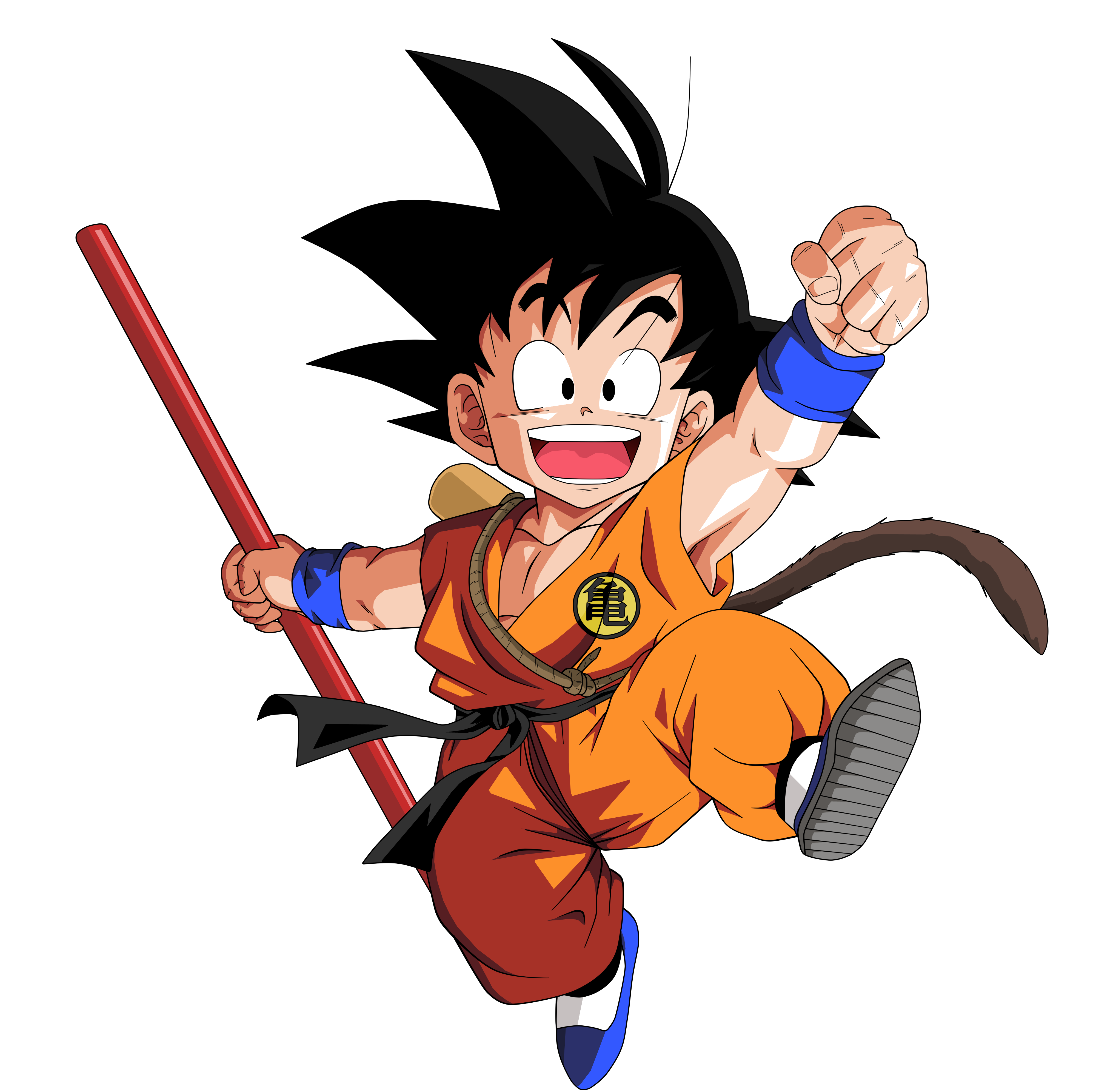
Stories like Dragonball Z with Goku:
Who eventually becomes a deity:
Hail!
Or Superman (who already is)

So when I heard about this story featuring a guy who could one punch anything...
I was intrigued.
But, more importantly I was excited for the story.

See, I have been playing a lot of role playing games recently.
And by that I mean listening and preparing for a lot of roleplaying games (still trying to get my game groups off the ground).
And the thing that I notice more than anything else...
The combat systems are pretty broken.

And by that I mean the players just waltz into caves and caverns unprotected and unmolested by the Evil Arch-Demon of Evil and proceed to lay waste to their whole crew.
Which only consists of five goblins and a big bad ogre who dies because the characters roll really good.

I thought this was just me or just a few game groups.
But, it happens all of the time.
So I started asking Why?

I realized.
The designers want all of us to be Superman.
To feel in control and powerful and awesome.
The gamemasters want us to feel that way.
So the designers give players mechanics that will let us overcome challenges and most gamemasters will give players challenges in a regimented, easy to beat progression.

Effectively, this is the equivalence of level-grinding

And in no way reflects the moments in story that I love best.
Namely, this:
For those who don't know:
Goku is the hero, he is operating at around Power level: 9000+ whereas Vageta exists in a world hovering around Power level: 20,000+
Goku is tired and worn out.
Beaten to a pulp.
Vageta in a rage decides to annihilate the whole planet with Goku.
Goku relies on his last attack to (hopefully) wipe out Vageta.
He risks his body and life to overcome Vageta's attack and barely comes out equal.
Then, he pushes it one step further only to beat Vageta for one minute.
(he comes back by the way and wrecks Goku's shit)

Why is this powerful?
Because Goku is actually weaker than Vageta in this moment.
He risks his life to overcome a superior enemy and is rewarded for his bravery by earning a reprieve.
Story protects the protagonist.
So he can recklessly endanger his life despite his mentor (King Kai) telling him it is too dangerous.
In doing so, he wounds Vageta enough to win the round and weaken him for his fellow team members (back when they were a team) to ultimately defeat Vageta.

So why bring this up?
Because too many RPG players act like Vageta.
They have all the power and go stomping through the world annihilating or saving people and places arbitrarily with no regard for who or what they do.
They are rewarded by the gamemaster for it with XP and Gold and become more powerful.
They are treated like heroes when in fact they are villains.
And nobody in the world is powerful enough to stand up to them because they are protected by the game (armor, saving throws, unconsciousness, clerics, healers, potions, mana)
All of it is to make sure that the players don't lost their health points and heaven forbid die!

How does this relate to Saitama/One Punch Man?
He is the embodiment of pretty much every character I see in RPGs these days.

  • Overly powerful.
  • Associated with a 'heroic' organization.

I was really excited to see how the storytellers handled Saitama's inability to face a foe that he couldn't just defeat.
I think it is one of the most important stories.
But, I think they are ruining it.

The show is centered on Saitama
Who starts off this strong.
He is a hero as a "hobby"
Why?
Because he hasn't found anyone who can put up a fight.
The basis of the first episode is this guy: the "villain" augmenting himself to be the "strongest man"
Saitama relates to him and says that it is lonely.
Right now I feel for Saitama because he seems to regret his choices and what led him to being the strongest.

Finding out more about his history reveals he just trained really hard and that is it.
Also, he has no remorse over the monsters that he kills.
And seems more interested in coupons than preserving life.

Saitama is not a hero.
He is a villain.
Terrifying.

The biggest problem that I have with the show is that they seem unable to do anything with Saitama.
He is too jaded to really care about anyone or anything.
So here is my fix:

How to write a story for your overly powerful characters

1) Let them kill everything. Seriously. Give characters in your RPGs the ability to one punch things. It makes the combat go so much more quickly. And it gives us an excuse to get on with the story!

Because we care about combat scenes like this:


And not this


2) So let them kill everything. Now, what? Honestly. I consider just letting the characters wander around a barren world with no characters because they killed everyone. Let them die of old age without conflict or adversaries or companionship or the wonderful NPCs that the gamemaster creates for their enjoyment. They would probably kill them anyway.

3) If they want story in spite of their bloodbath and mayhem, introduce it retroactively. Let the characters be the unwholesome villains that they are, let them collect rare and powerful artifacts for the evil organization that supports their mercenary lifestyle, then, have the real heroes show up to put an end to their corrupt lives. Have them kill the heroes and (hopefully) realize the errors of their ways. If not, have the evil organization overthrow them and try to murder them with the super powerful artifacts they turned in.

4) If the players complain of the lack of combat, introduce them to enemies they cannot just one punch: swarms of insects that devour them bit by bit, but cannot hit with their weaponry. It forces them to either be clever or die. If they complain that they cannot win at this, introduce them to whole villages of orc (insert your game's minority class here) adolescents that they will probably slaughter with glee and then show the grief stricken parents. Tell them how much gold their tears are worth.

The point is these characters consistently act like villains because gamemasters and storytellers allow them to get away with it.
No.
Villains die.
Wretchedly.
Look at Voldemort.

Do not let villains run free in the worlds that gamemasters take so much time to create.
Instead, introduce real conflict to their stories by illustrating the fact that they are not heroes.
Heroes do not act this way.

Now, this is not to say we could not have heroes like Saitama.

How to Play as One Punch Man

1) Value all life. Simple as that. Be like Batman. Be like Superman. Don't desire to kill, maim, and murder every sentient life form that you meet. It will make your life harder, sure, but you won't have the blood of children on your hands either so...

2) Don't use your powers. See point one. If you throw a punch...people die. It is that simple. Don't kill. That is your creed. Don't throw a punch unless you have to.

3) Give yourself a tragic backstory. See I thought Saitama was an experiment. One day he woke up with amnesia from a test tube surrounded by scientists poking at him. He defends himself only to murder everyone who came close. He is horrified by what he has done and becomes a hero in order to make amends.

Those are some of my solutions for playing a ridiculously overpowered character.
The conflict can come from the gamemaster in the form of social conflict
OR it can come from the character imposing personal limits on their power.
But, and here is the point, it is possible to do this in a fun, engaging way that does not involve murdering everything in sight.

And the other thing?
YOU CAN MURDER EVERYTHING IN SIGHT!
I don't have a problem with characters doing that if they are innately bad.
But, don't dress yourself as a hero if you are really a villain.
It leaves a bad taste in my mouth.

Sunday, January 24, 2016

Protagonist: A Case Study (Why Aang is the Best of Us)

Today, let us discuss protagonists.

You know them.
But, why do you know them?
Why do we care?
I believe there are a couple of distinct class of protagonists.
  1. Average
  2. Anti 
  3. Villain 
  4. Super
  5. Transcendent
So what is a protagonist?
You can see I have worked on this problem in previous posts.
I don't have an exact definition, but a couple of working definitions:
  • the character who undergoes the largest change/situational shift over the course of the story (rags to riches/riches to rags)
  • the character we most sympathize with/the lens through which we view the story
  • the character set in opposition to the world/antagonistic forces of the story
Why these definitions?
Because they are what I have observed in countless stories.
Let us go with an average example to start.
A good, solid protagonist for the series in which they find themselves

1) (Average) Protagonist:

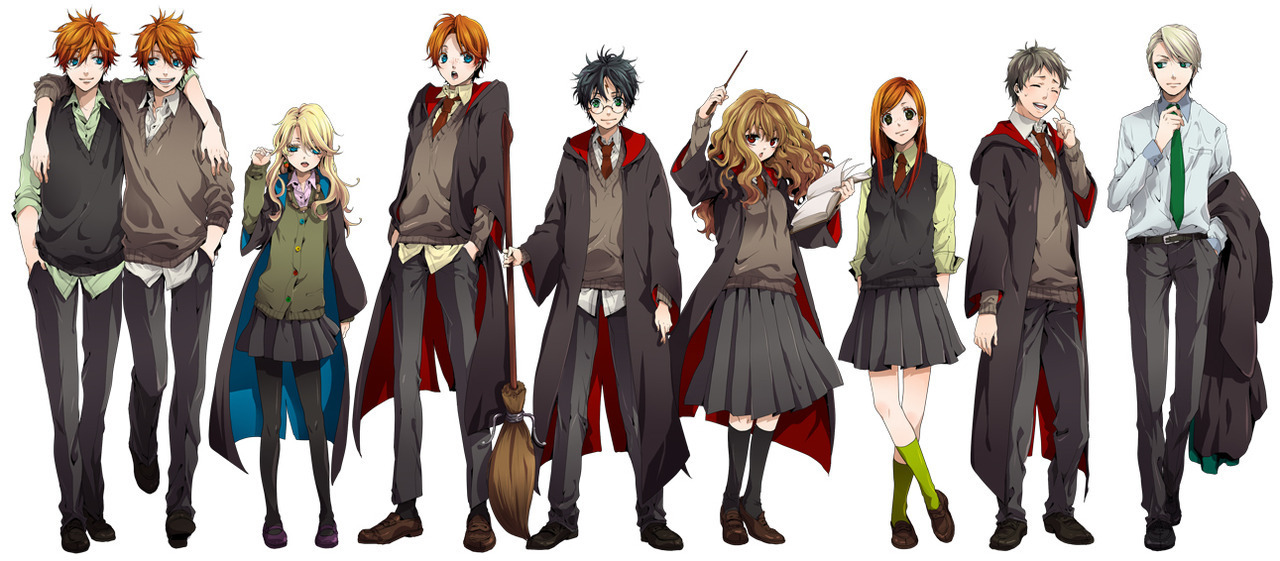
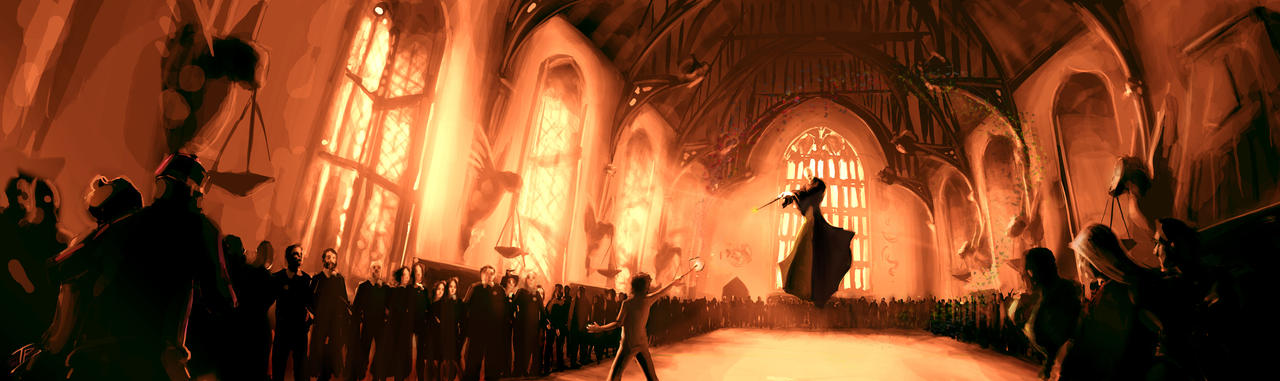
HARRY POTTER

Some of you may be shouting.
HARRY! AVERAGE?!
Calm your nethers.
Yes, average. As in, he is a solid example of protagonist.
The story I would characterize as transcendent, but Harry is...not lackluster...just not what we are ideally looking for.

He exemplifies a couple of typical protagonist traits:
  • he is ignorant about his wizarding heritage/the magical world
  • the big bad i.e. Voldemort is directly opposed to him specifically because...reasons
  • he comes from a bad family that treats him badly
  • he is poor
How is this protagonist material?
Well, it sets him up nice doesn't it?
He can grow from here unlike almost anyone else in the world.
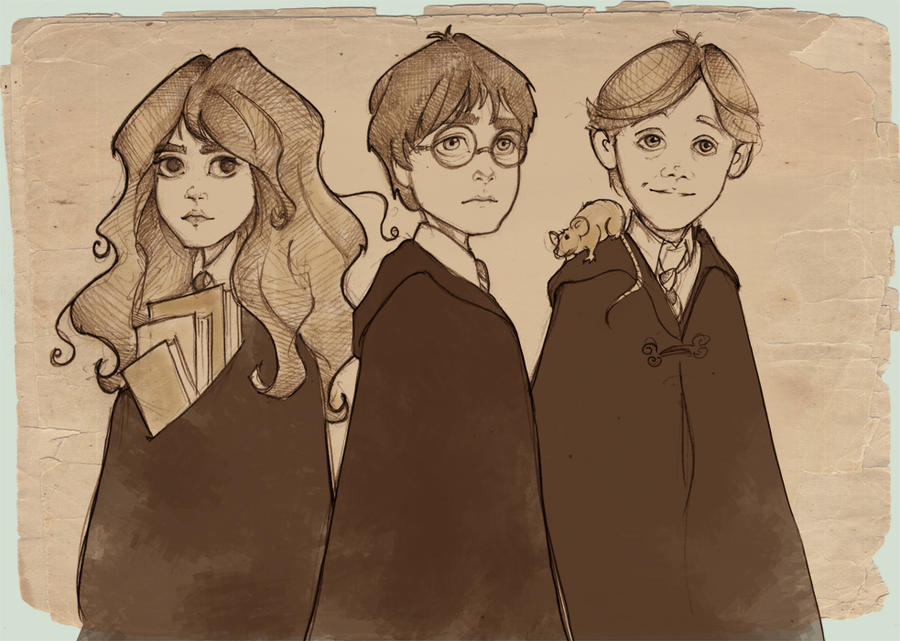
Hermione knows everything and Ron can fill in the cultural gaps.
And Neville is a god:

(Sorry Jo)
Harry eventually becomes the messiah of the world.
  • he knows more about Voldemort than anyone else living
  • the big bad: Voldemort and what he represents (death/self love) are directly opposed to Harry and what he represents (life/family/love)
  • he gains a family that spans whole groups of people including the students and faculty of Hogwarts
  • he is rich
His circumstances are completely changed by the end of the series and through that change: 
  • love
  • sacrifice
  • relying on others where your own strengths fail
He is able to overcome the biggest threat to the wizarding world.


Harry is surrounded by his friends in the last battle.
Voldemort is alone in the last battle.
And how does Harry defeat him?
By disarming him, using the spell: Expelliarmus, he disarms Voldemort's power, rebounding it onto Voldemort, killing him instantly.


That there is some good stuff.
Harry Potter is one of my favorite stories (and not just because I grew up with it), but because every aspect of it reinforces another.
Even where Harry is deficient (intellect, stick-to-it-ness, etc.) he has friends and family that more than make up for it.

2) Anti-Protagonist

An example would be Macbeth/Richard III
What I call an anti-protagonist. (academic word. Not super accurate)
This is a bit of a misnomer (they are still the protagonist)

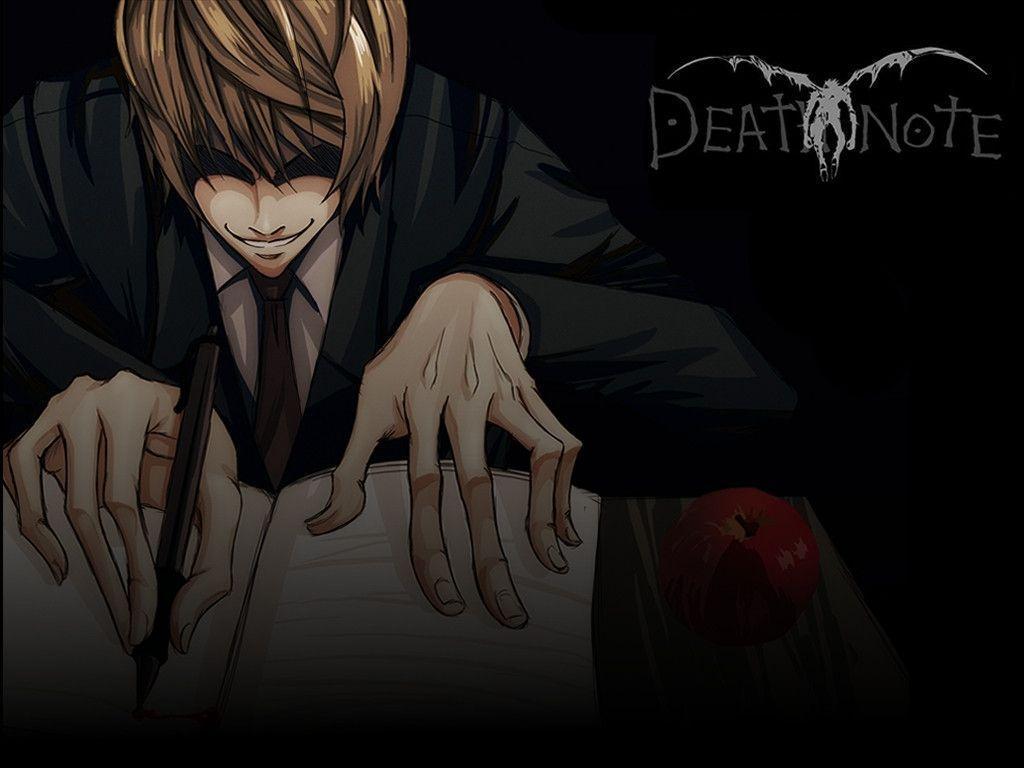
Another might be Light Yagami from Death Note


Light Yagami is an anti-protagonist.
Meaning he is the opposite of how a protagonist normally operates e.g. opposite of a hero.
  • He makes all of the easy choices.
  • He is gifted with preternatural power (the ability to kill anyone with only a name and a face)
  • He terrorizes humanity and becomes a despot
This doesn't sound like a hero, but he is undoubtedly the protagonist of the story.
Now, I am going to dredge up a couple of ideas real quick:
Story is an idea illustrated through action.
Meaning:
Protagonist/antagonist are the manifestations of opposing ideas
the story is the argument 
and the climax is the conclusion of that argument
Therefore; Protagonist and antagonist are interchangeable, it only matters what side you end up on given the context.
(Is the Light Side of the Force really the Right Side of the Force?)

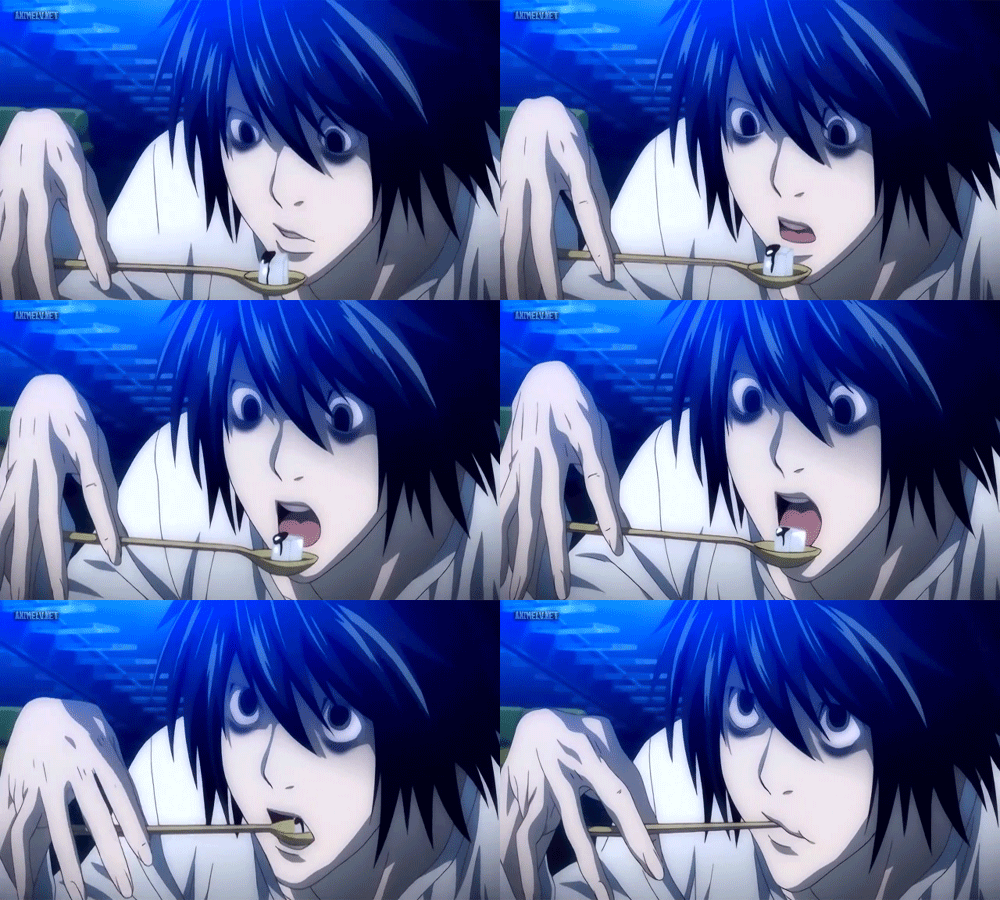
So in Death Note we get our antagonist (who is really our hero) L/Ryuzaki:


Sorry.
L.
Our hero.
No, really, he is a god damn hero.
He follows all of our criteria for heroship:
  • always makes the difficult choice
  • always self-sacrificing
  • always looking out for others
  • caring
  • loving
Everything that Light is not.
But, it is still a compelling story.
Unlike our third type

3) Villain-Protagonist

What are these?
I wish you didn't ask.
I have trouble naming them because in my opinion they are not heroes.
In my opinion,  protagonists should be heroes (most of the time).
There are exceptions, but they have to be damn good to catch my interest.

Villain-protagonists are a breed unto themselves.
An example is Rand Al'thor in Robert Jordan's The Wheel of Time series
Yeah...he looks real trustworthy.
He basically screams megalomaniac. 
And yet, people follow him.
This is fan art by the way.
This is how the fans choose to see their protagonist.
Why is this?
Because he is a villain and a bully and I hate him.

Heroes are something special and we will get to them in just a moment.
Heroes always makes the hard choice for the greater good.
Bland (rand) Al'thor does not qualify as a hero.

To give examples from the story:
  • he is insane (no literally, drawing on magic drives him to insanity)
  • he never trusts anyone (while Harry is building relationships, Bland is accusing everyone of witchery)
  • he hides his true gifts/self in order to appear 'normal'
  • he literally murders 20 people looking for him in cold blood because he THINKS they are after him
These are like the least of his crimes.

  • He also has no regard for other people's safety
  • even his friends don't trust him (and for good reason)
  • he ostracizes himself and his whole community
  • He trusts no one's actions, only his first impressions of them
  • He believes no one, not even his trusted advisors
  • He uses his power to dominate/force people to submit to his policies
  • He establishes democracies where he is the only candidate (sound familiar?)
I could go on and on and on, but I won't.
So he is not a hero.
And he shouldn't be the protagonist.

Now, this is a tricky concept to convey.
Because I have already discussed anti-protagonists, why doesn't/shouldn't Bland qualify?
To start with, he is a villain.
This doesn't exempt him (as I have already demonstrated), but there is a trick happening.
Jordan uses it and Rick Riordan uses it. 


That's right!
Percy Jackson falls into this category.
PERCY JACKSON IS A VILLAIN
Don't believe me?
Let us look at what typifies these characters:
  • they both have ridiculous amounts of power, Bland has the most magic of anyone and Percy is the son of (arguably) the strongest of all the gods
  • they have slavishly loyal followers that they exploit/sacrifice in order to gain their ends
  • they are nothing if not introspective (they are narcissistic), but never in all their inner monologues consider the moral ramifications of what they have done (this may be a bit unfair to Percy, I don't remember an instance, but there may be one)
  • they become leaders of their respective troupes (arguably kings) through no other qualification than being "the most powerful"
This is not the laundry list of what makes a hero.
This is what makes a villain.
Using these criteria and these alone ask anyone to name a character it describes you might get:

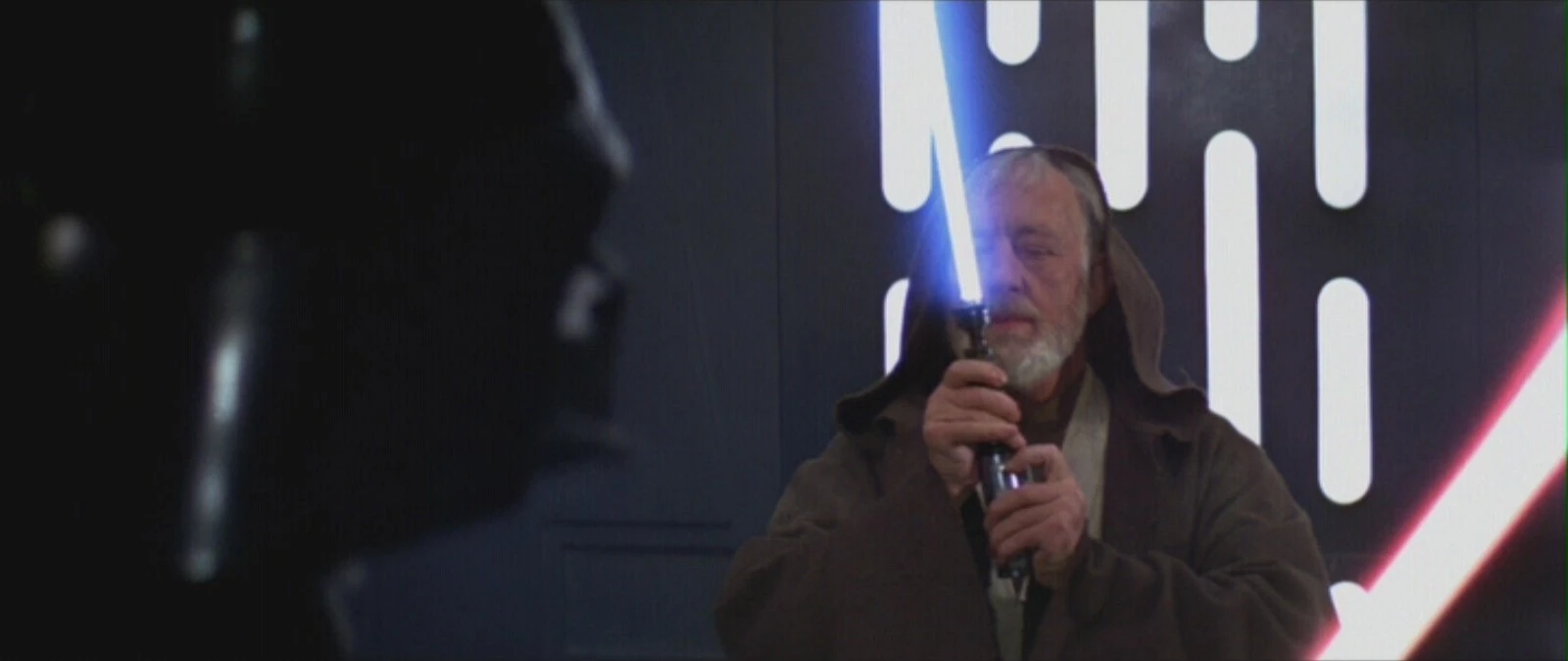
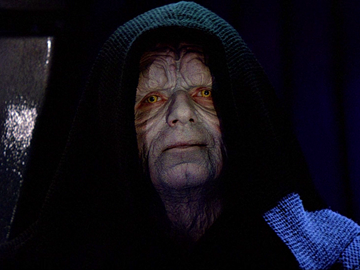
EMPEROR PALPATINE

FIRE LORD OZAI

Their protagonists are villains.
So what? Big deal.
Light is a villain. Macbeth is a villain.
What makes Rick Riordan and Robert Jordan (to name a few) less better than Shakespeare?

Simple.
They don't let their characters be anti-protagonists.
And that is where I get off the.

Because it would be really cool/interesting to see an OP protagonist (we will talk about them in just a moment) in a position of power.
We see it all the time.
Injustice: Gods Among Us

But, the fact that these characters are not treated as villains is inexcusable.
To dress up a villain and pretend that they are a protagonist is just terrible in the truest sense of the word.
And then to have no one call them on their hypocrisy is worse.

4) Super Protagonists

These are the biggest and the baddest (though not necessarily best)
Here we get protagonists like

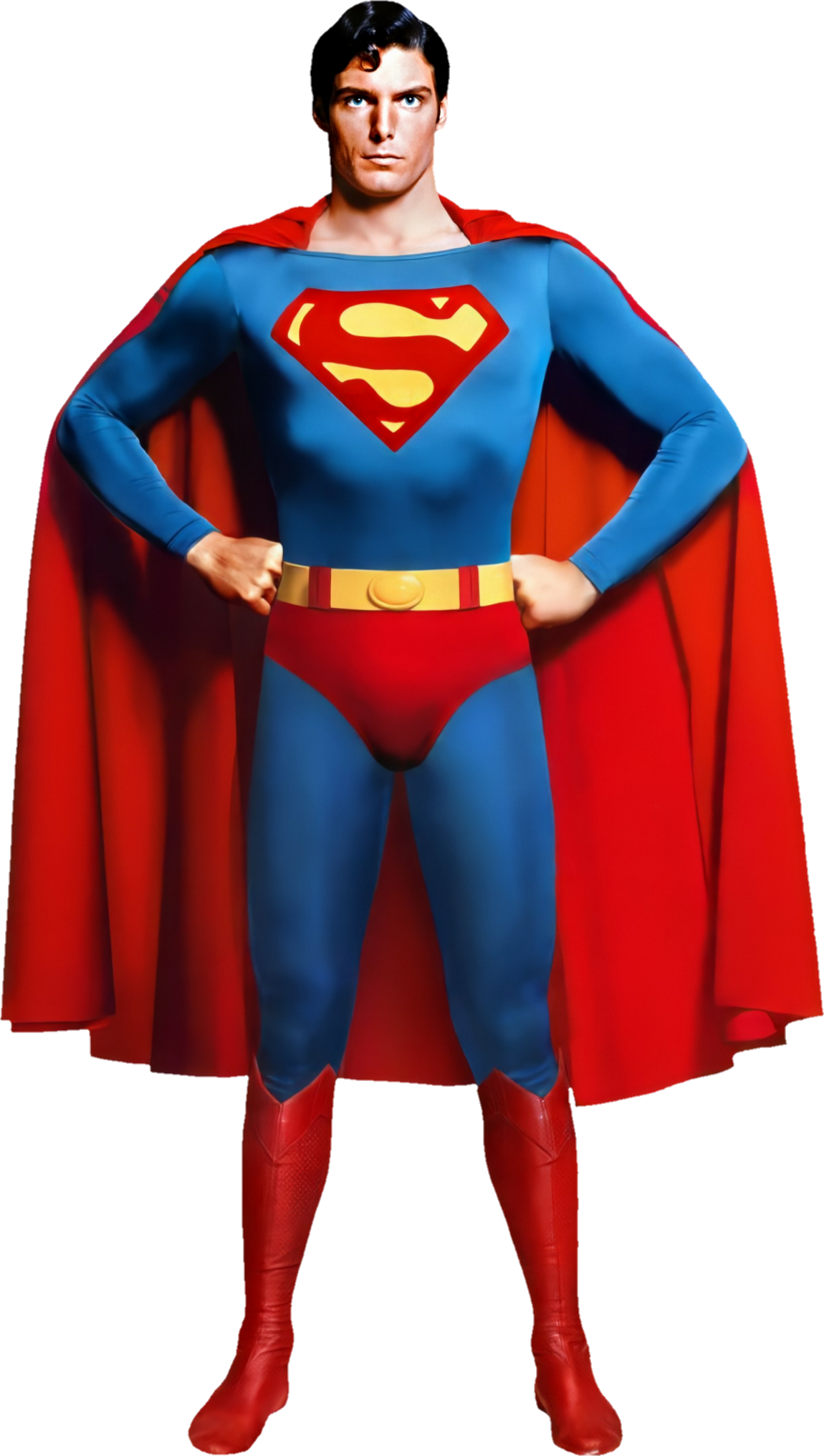
SUPERMAN

SON GOKU
These characters taught me more about heroism and morality than any religion.
I am dead serious.

These characters are really important.
Because the antagonistic forces have to come at them sideways to have an effect.
In Star Wars, Harry Potter, etc. the might of the enemy is the prevailing/dominating characteristic.
The idea of Death/Selfishness as personified by Voldemort manifests like this: 


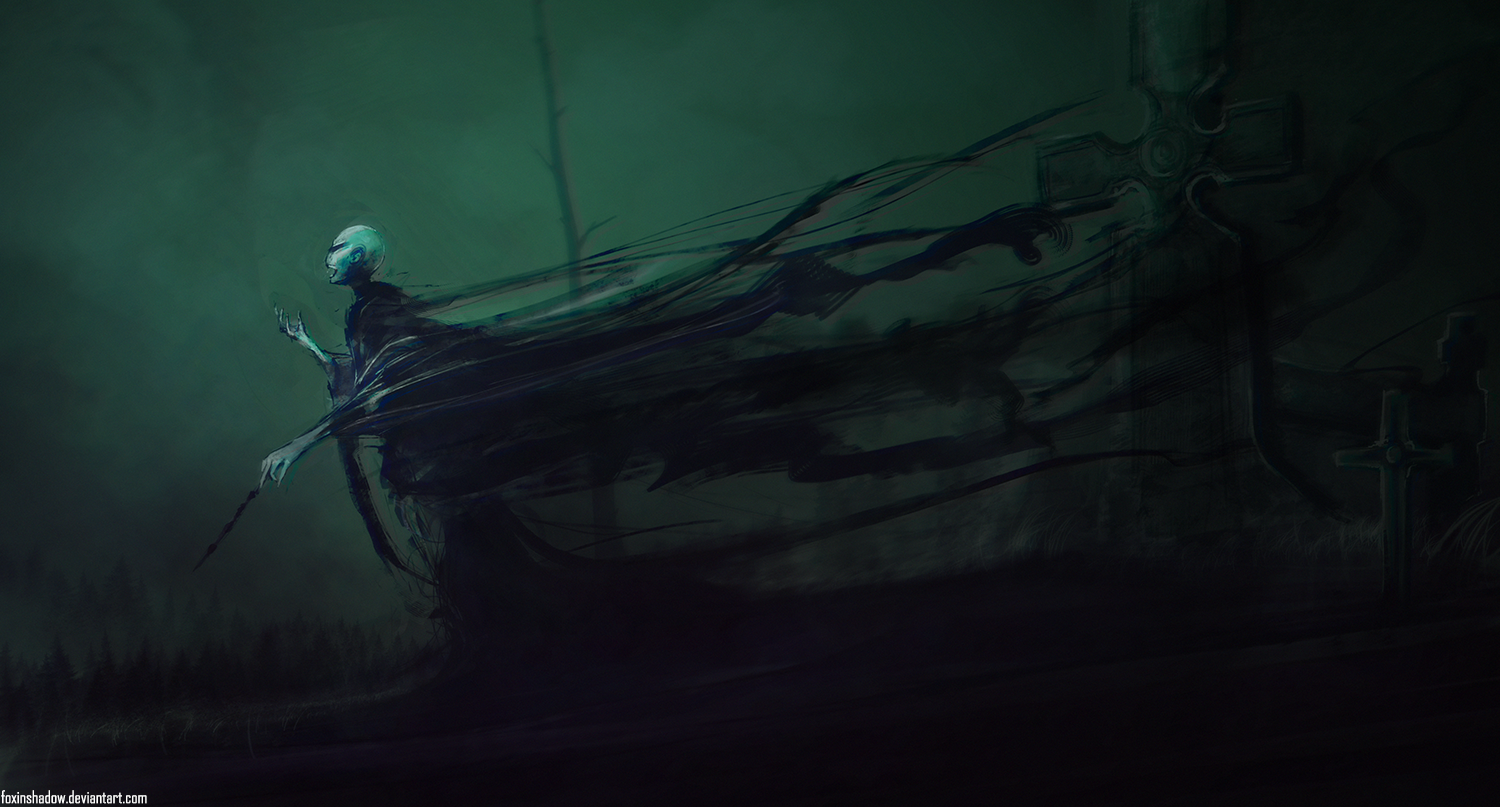
When, in fact, Voldemort is very much alone and is better personified in this light:


At the end of it all, Voldemort is a crippled infantile thing unable to take care of itself.

So how does this relate?
Well, there is almost nothing in the universe that Superman cannot overcome by simply exerting a little force.
Seriously, he is notoriously difficult to write well because of things like this: 


He can stop bullets with his eyes!
So physical conflict goes right out the window.
You just feel like, even when he is being pummeled, if he just flexed his muscles a little bit more he would win.
And you are right.

There is a problem though.
Superman is too strong.
Consistently he has to hold himself back (canonically)


In this video Superman even says it!
"That man won't stop so long as he still draws breath. None of my teammates will. Me? I've got a different problem."
Superman has different problems than other superheroes.
What are they?
I feel like I live in a world made of cardboard. Always taking constant care not to break something. Break someone. Never allowing myself to lose control even for a moment because someone could die! 
And there it is.
Superman will never cut loose completely because he might kill someone.
Something he is morally totally opposed to doing.


This is not the whole fight.
It gets brutal.
This is the hyper violent Superman that we could have had.
The Superman that proved Might as Right.
But, he talks about it in the end:
They saw violence as a solution and it frightened them.
Because Superman does not kill.
He does not use violence in order to dominate or subjugate.
In one of the most touching addresses the United Nations he says in response to, "You have the power to end criminals, why don't you?":
"I'm not anyone's judge and jury, professor Baxter--definitely not an executioner. My powers do not put me above the law....First, I don't believe the world is broken--because when we say the world, we're really talking about people. It's always been my belief that people, at their core, are good."
"Humanity has a limitless potential for good. My purpose is to help people reach that potential."
That is Superman's sole purpose.
 And because of it, he is one of the greatest protagonists (even if his stories sometimes suck).

Superman is a troublesome protagonist because physical might means nothing to him.
But, like all heroes, he has a noble creed by which he lives and dies.
And because of that he is still vulnerable to Murphy's Law.

I will talk about this guy in another post:

(for those who don't know, this is Saitama from One Punch Man)

So now we move on to our final category:

5) Transcendent Protagonists

This is a god damn hard category.
Because only a handful of people manage to make it into it.
I even exclude Superman and Goku (which kills me).
(Not all of their stories and not all of the time, but if we look at a whole canon as a whole story, then yes, Superman does not make the grade.)

To be a transcendent protagonist you have to
  • make all of the hard choices in a positive direction
Yeah.
That is pretty much it.
Sound easy?
Harry Potter doesn't even do this.
Not Harry.
Nor Bilbo

But you know who does?
Nausicaa
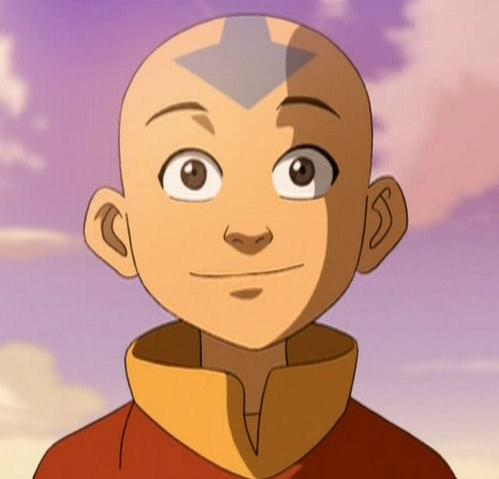
And Aang
I swear, these two.
I cry.
If you haven't seen these, then go. 
Just go right now.
My blog is seriously nothing compared to these works of art.

So.
Aang.
*sobs*
This guy is the best!
No seriously.
He fights a war.

An eleven year old boy fights a war!
How does he do it?
With laughter and joy and whim.
Look at his freaking face!
That is in the middle of a war torn world that he is (arguably) solely responsible for!

So what does he do?
He fixes it.
How does he do it?
  • He makes friends
  • who become allies
  • He fights the Fire Nation with these allies
  • He makes mistakes
  • He learns from them
  • He grows more powerful
  • And he fights the Fire Lord
Now, if you don't know the context, here is some:
Fire Lord Ozai is basically the most evil awful person in the universe.
Played by Mark Hamill
You know.
This guy:


Anywho.
We spend the entire series and I mean the entire series building up to the ultimate showdown
Aang vs. Fire Lord
And it is palpable.
Only one thing.
Aang is a Buddhist (Air Nomad) Monk!
so........
How is he going to stop Fire Lord Ozai?

(HE HAS TO KILL HIM)
He asks his friends.
(YOU HAVE TO KILL HIM)
He asks his neighbors.
(YOU HAVE TO KILL HIM)

He asks his past lives
(YOU HAVE TO KILL HIM)

Basically everyone in the world tells him that he is going to have to violate his own creed in order to achieve his ultimate function: save the world.
In order to save the world Aang has to lose himself.
Whoa.
And I thought this was a kid's show.
So does he do it?


Wha....
What?!
He overcomes the prejudice that the only road to victory is through slaughter.
Aang transcends that behavior, that belief.
And he does it (similar to Superman) by removing the power that almost wholly defines Ozai.
But, more than that, by effectively using his friends and allies, he is able to bring low the entire Fire Nation and end a war.
And he accomplishes this by never killing.
Not once.

Aang.
You are my hero.
Even Superman with all his power is unable to stop the war in Superman vs The Elite.
Even Harry Potter is unable to save Tom Riddle from his death.
Only characters like Aang are able to prevail against the overriding narrative:
  • Violence is the only solution
  • You cannot overcome conflict without death
They transcend it entirely.
Nausicaa's story is almost identical in every way.
  • A war is happening between mankind, nature, and different nations
  • The fighting spills into her country
  • She has a unique skill of speaking with insects
  • She acts as the bridge between the two and fights
  • not with violence, but with her glider, her friends, an insect caller, some flash bombs, and her love for growing things
Hers is a truly remarkable journey
She throws herself at the mercy of raging insects that are unstoppable, unceasing, uncaring of human pain.
And what is the result?
They stop for her.
She averts an all out war, stops an apocalypse, and begins the healing of her broken world.

These are the ultimate protagonists.
Not ultimate because of their power (like Superman and Son Goku), but because of their love, their capacity to change, not only themselves, but the world and the story wherein they find themselves.
There is no reason Aang should be so happy in times of war save for his ignorance.
Once he realizes what is happening, he very easily could have turned down another path:


Instead, he maintains his whim and his humor and makes the world a better, more positive place.


Saturday, January 16, 2016

Pieces of Story (Putting it all together)

Today, we discuss story and its pieces.
I want to discuss protagonists and their different varieties.
But, today will start with a primer on story and what pieces are necessary and where.

Part 1: Stasis

Stasis is the world as it is.
Stasis: inactivity resulting in a balance between opposing forces.
It can continue infinitely in the same direction without deviation.
It is continual and boring (first ten minutes of almost every film).

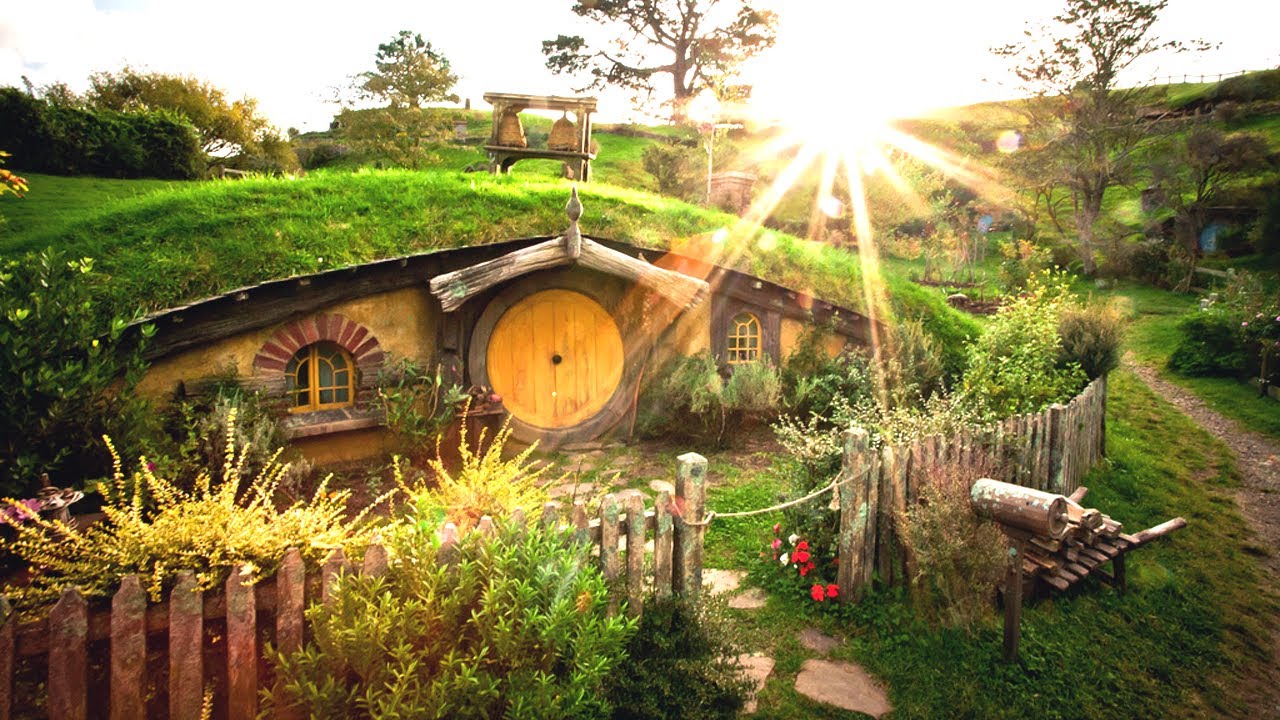
(The Shire)

Part 2: Protagonist

Protagonist is the central character of a story. 


To this day my favorite and guiding definition of a protagonist comes from Red Letter Media's review of Star Wars the prequels.


In it he defines Protagonist as:

  • someone who is down on their luck
  • in a bad place in their lives
  • or someone who everything doesn't go perfectly for them
A Protagonist can be summed up in one defining character trait: 
  • Uniquely unsuited for the world in which they find themselves
Often a Protagonist will have some ability or skill or quirk that makes them an outsider
This is their hamartia
Hamartia from the Greek hamartein means "missing the mark"
So a protagonist misses the mark in some way that brings about the resulting conflict.

Part 3: Conflict

Conflict is the antagonistic forces of the universe that attempt to bring the protagonist into line with its norms.
This can be manifested in any number of ways:
  • As a single over-arching antagonist (Emperor Palpatine)
  • As opposing forces of the world (plague and death in Oedipus)
  • Or even their mind/body (Gregor Samsa's transformation in Metamorphosis)
The Protagonist represents a force of change in the universe.
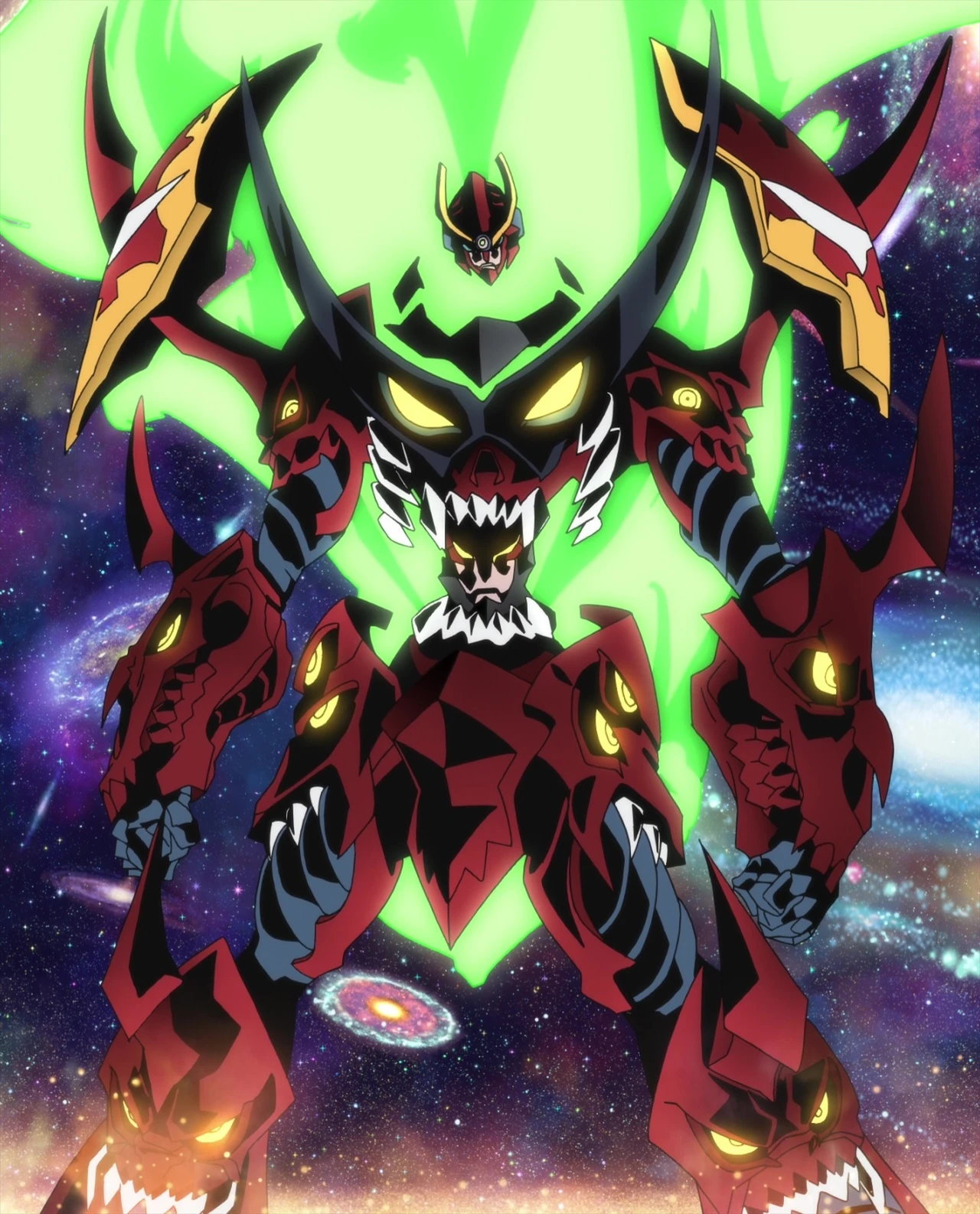
The universe likes its status quo and will fight to maintain it with all the resources at its disposal, up to and including universal forces (ever seen Gurren Lagann? you should)


Part 4: New Stasis

The New Stasis is just that.
Either the Protagonist or Antagonistic Forces win and create a new equilibrium
This can happen in a number of ways:
  • The Protagonist wins and the world changes as a result (not sure...Naruto?)
  • The Antagonist wins and the protagonist changes as a result/dies (1984/Brave New World)
  • Both are changed as a result (Avatar: The Last Airbender/Harry Potter)
Not every story requires all of these elements.
But, as a basis for story, these are useful definitions to know when discussing it in an objective sense.
Because then you can start making all kinds of fun arguments like
  • Who is the protagonist of this story?
Arguably antagonists are protagonists of their own stories.


Therefore, you may choose to side with whomever you most associate with (The Terminator perhaps?)